- Human activities: Human activities such as deforestation, pollution, and overfishing can disrupt the food chain by reducing the availability of food sources or altering the habitat of organisms.
- Climate change: Changes in climate, such as rising temperatures and altered precipitation patterns, can affect the distribution and abundance of organisms, leading to changes in the food chain. For example, warmer temperatures may cause certain plant species to thrive while others decline, impacting the herbivores and predators that rely on them for food.
- Invasive species: Invasive species can disrupt the food chain by competing with native species for resources such as food and habitat. They may also prey on native species or transmit diseases, leading to population declines and changes in the food chain structure.
- Diseases: Diseases can spread among organisms in the food chain, causing population declines and disrupting the flow of energy and nutrients. For example, a disease outbreak in a population of herbivores may reduce their numbers, leading to an increase in the plant species they consume and a decrease in the predators that rely on them.
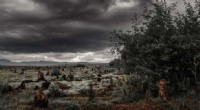
- Natural disasters: Natural disasters such as floods, wildfires, and droughts can cause habitat destruction and disrupt the food chain by altering the availability of food sources and shelter. These events can also lead to population declines and changes in species composition.
- Evolution and adaptation: Over time, organisms may evolve and adapt to changes in their environment, leading to shifts in the food chain. For example, some species may develop new traits or behaviors that enable them to access new food sources or avoid predators, altering their role in the food chain.