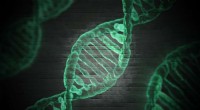
Genetic Variation: Mutations introduce new genetic variations into populations. As mutations change the DNA sequence, they can alter the traits of individuals, generating diversity among organisms. This genetic variation serves as the raw material for natural selection to act upon.
Adaptation to Changing Environments: Mutations enable populations to adapt to changing environments. When mutations occur in genes responsible for traits that are beneficial or advantageous in a particular environment, such individuals have a higher chance of survival and passing on those genes to the next generation. Over time, this leads to the accumulation of favorable mutations that enhance the population's fitness and adaptation to their surroundings.
Evolutionary Processes: Mutations are essential for speciation, the process by which new species emerge from existing ones. Over long periods of time, accumulated mutations can result in significant genetic differences between populations that ultimately lead to reproductive isolation and speciation.
Medical Research and Genetics: Mutations play a role in understanding and treating genetic disorders. Some mutations are responsible for genetic diseases, providing valuable insights into the genetic basis of these disorders and potential therapeutic interventions. Studying mutations can help identify individuals prone to certain diseases and develop personalized medicine strategies.
Innovation in Agricultural and Industrial Sectors: Induced mutations are employed in agriculture to create new varieties of plants and crops with desirable traits, like resistance to pests, diseases, or environmental stresses. Similarly, mutations are utilized in industries such as biotechnology to develop novel enzymes or microorganisms for various applications.
In summary, mutations are critical to the process of evolution and play a role in maintaining genetic diversity, adaptation, and the advancement of scientific fields. They are a fundamental aspect of life on Earth and drive the continual change and innovation that shape the diversity of life forms we see around us.