1. Cell Structure:
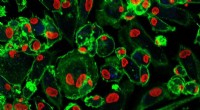
- Humans: Human skin cells are eukaryotic cells, which means they have a true nucleus and other membrane-bound organelles. The main types of skin cells in humans include keratinocytes, melanocytes, Langerhans cells, and Merkel cells.
- Protists: Protists are a diverse group of eukaryotic organisms, and their skin cells can vary depending on the specific protist species. Some protists have skin cells that resemble human skin cells, while others have unique cell structures.
2. Complexity and Organization:
- Humans: Human skin is a complex organ composed of multiple layers of cells. The outermost layer, called the epidermis, is made up of several layers of keratinocytes that provide protection and waterproofing. Beneath the epidermis lies the dermis, which contains connective tissue, blood vessels, hair follicles, and sweat glands.
- Protists: The skin of protists is generally simpler in structure compared to human skin. Protists may have a single layer of cells or multiple layers, depending on the species. The organization and complexity of protist skin cells can vary widely across different groups.
3. Function:
- Humans: Human skin serves various functions, including protection, thermoregulation, sensation, and vitamin D synthesis. The skin acts as a barrier against pathogens, UV radiation, and physical damage. It also helps regulate body temperature, provides a sense of touch and pressure, and produces vitamin D when exposed to sunlight.
- Protists: The functions of protist skin cells depend on the specific protist species. Protist skin cells can provide protection, allow for movement, aid in nutrient acquisition, or perform other functions essential for the survival of the organism.
4. Composition:
- Humans: Human skin cells contain various proteins, lipids, and other molecules that contribute to their structure and function. Keratin, a fibrous protein, is a major component of human skin cells and provides strength and flexibility.
- Protists: The composition of protist skin cells varies among different species. They may contain cellulose, pectin, or other structural polysaccharides, along with proteins, lipids, and other molecules.
5. Locomotion:
- Humans: Human skin cells are generally non-motile and remain fixed in their positions within the skin tissue.
- Protists: Some protists have skin cells that are motile, enabling them to move and change their location. For example, certain protists use cilia or flagella for locomotion.
In summary, human and protist skin cells exhibit distinct differences in their structure, function, complexity, and composition. These differences reflect the diverse adaptations of these organisms to their respective environments and lifestyles.