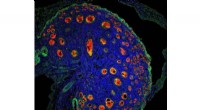
1. Increased Surface Area: The folds in the membranes create a larger surface area, which is essential for certain cellular processes. For instance, in mitochondria, the inner membrane is highly folded into cristae, increasing the surface area available for oxidative phosphorylation, a crucial step in energy production. Similarly, in the endoplasmic reticulum, the folded membranes provide an extensive surface for protein synthesis and lipid metabolism.
2. Specialized Microenvironments: The folds create compartments within the membrane, allowing for the establishment of specialized microenvironments. These compartments can have unique compositions of proteins, lipids, and other molecules, facilitating specific biochemical reactions. For example, in the Golgi apparatus, different cisternae have distinct functions due to their specialized microenvironments, enabling efficient protein modification and sorting.
3. Enhanced Membrane Fluidity: The presence of folds introduces curvature in the membrane, which affects its fluidity. Curved membranes are generally more fluid than flat ones, allowing for better movement of membrane proteins and lipids. This fluidity is crucial for processes like membrane fusion and fission, which are essential for intracellular trafficking and cellular remodeling.
4. Receptor Clustering: In cellular signaling, folded membranes can facilitate the clustering of receptors. This clustering brings signaling molecules closer together, enhancing their interactions and amplifying cellular responses. For example, in immune cells, the highly folded plasma membrane allows for the clustering of receptors involved in antigen recognition, triggering efficient immune responses.
5. Transport Efficiency: The folds in the membranes can create channels or pores that facilitate the movement of ions, molecules, and vesicles across the membrane. The increased surface area and specialized microenvironments allow for efficient transport and exchange of substances, supporting various cellular processes.
Overall, highly folded membranes provide the necessary structural and functional features for efficient cellular processes, compartmentalization, and membrane dynamics. These advantages are crucial for maintaining cellular homeostasis and carrying out specialized functions within different cellular parts.