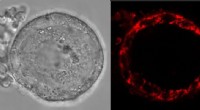
The primary function of leaf cells is photosynthesis. During photosynthesis, leaves capture sunlight, water, and carbon dioxide from the air and use them to produce glucose, which serves as the primary energy source for the plant.
Gas exchange:
Leaf cells facilitate the exchange of gases, such as oxygen and carbon dioxide, with the atmosphere through tiny openings called stomata. This exchange is essential for photosynthesis and respiration.
Storage:
Leaf cells also store various substances, including starch, sugars, and proteins. These reserves provide the plant with energy and building blocks for growth and repair.
Transport:
Veins, which contain xylem and phloem tissues, run throughout the leaf. Xylem transports water and minerals from the roots to the leaf cells, while phloem transports sugars and nutrients produced by the leaves to other parts of the plant.
Defense:
Leaf cells may produce compounds that help defend the plant against herbivores, pathogens, and environmental stresses. These compounds may include toxins, repellents, and physical barriers like tough cell walls.
Communication:
Leaf cells can communicate with each other and with other plant parts through chemical signals. These signals help coordinate various physiological processes and responses to changing environmental conditions.
Adaptation:
Leaf cells can undergo adaptations to suit different environments and habitats. For example, plants in arid environments may have thick, waxy leaves to minimize water loss, while plants in low-light environments may have larger leaves to capture more sunlight.