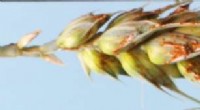
1. Flowering: Shorea trees produce small, inconspicuous flowers that are usually white, yellow, or greenish in color. These flowers are arranged in clusters or panicles at the ends of branches. The flowering time varies depending on the species and environmental conditions.
2. Pollination: Shorea flowers are typically pollinated by insects, such as bees, wasps, and flies. The insects are attracted to the nectar and pollen produced by the flowers. As they move from flower to flower in search of nectar, they inadvertently transfer pollen grains from the male anthers to the female stigmas, facilitating cross-pollination.
3. Fertilization: After pollination, the pollen grains germinate, and the pollen tubes grow through the style to reach the ovary. Each pollen tube contains sperm cells, which fuse with the egg cells in the ovules. This process results in fertilization, forming zygotes.
4. Fruit and Seed Development: The fertilized ovules develop into fruits. Shorea fruits are usually small, winged, and dry, known as samaras or nutlets. Each fruit typically contains one or sometimes two seeds. The wings of the fruit aid in wind dispersal, allowing the seeds to be carried away from the parent tree.
5. Seed Germination: When the fruits mature, they are dispersed by wind. Once the seeds reach a suitable location with favorable conditions, such as adequate moisture and temperature, they can germinate. The seed coat ruptures, and a radicle emerges, which grows into the primary root. The hypocotyl then elongates, and the first pair of leaves develops, marking the beginning of seedling growth.
6. Seedling Establishment: The young seedlings continue to grow and develop, establishing their root systems and developing new leaves. Over time, they mature into saplings and eventually into adult Shorea trees, capable of producing flowers and seeds themselves, thus completing the reproductive cycle.
It's worth noting that while most Shorea species reproduce sexually through the production of seeds, some species are known to exhibit apomixis, a form of asexual reproduction in which seeds can develop without fertilization. In apomixis, the female reproductive structures produce viable seeds without the need for pollination and fertilization.