Key Characteristics of C2 Plants:
1. Primary Photosynthesis in Bundle Sheath Cells: Unlike C3 plants, C2 plants primarily fix carbon dioxide in the bundle sheath cells, where the C2 cycle takes place.
2. Two-Step Carbon Fixation: The C2 pathway involves a two-step process for carbon fixation.
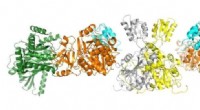
- Carbon Dioxide Capture: In mesophyll cells, phosphoenolpyruvate carboxylase (PEP carboxylase) fixes CO2 to form oxaloacetate (OAA).
- Transfer to Bundle Sheath Cells: OAA is then transported to the bundle sheath cells through plasmodesmata, connecting the two cell types.
3. C2 Cycle in Bundle Sheath Cells: Within bundle sheath cells, OAA undergoes decarboxylation, releasing CO2, which enters the Calvin cycle (C3 cycle) for carbon assimilation. The resulting pyruvate byproduct is recycled back to the mesophyll cells to regenerate PEP, completing the C2 cycle.
4. Enhanced Efficiency: The C2 pathway operates as a CO2-concentrating mechanism, increasing the availability of CO2 for the Calvin cycle in bundle sheath cells. This leads to higher photosynthetic rates and reduced photorespiration, allowing C2 plants to thrive in environments with low CO2 concentrations or high temperatures.
5. Distribution: C2 plants are widely distributed across various habitats, including grasslands, wetlands, and savannas. Some well-known examples of C2 plants include sedges (Carex spp.), switchgrass (Panicum virgatum), and many grass species.
The C2 carbon fixation pathway provides an adaptive advantage to C2 plants, enabling them to optimize photosynthesis in challenging environmental conditions. Their ecological importance lies in their significant contribution to plant biodiversity and biomass production, making them key players in terrestrial ecosystems.