1. Adaptation to Environmental Changes:
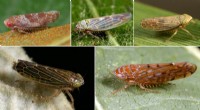
As the environment presents various challenges, such as changes in climate, food availability, or the presence of predators, individuals with traits that confer advantages are more likely to survive and reproduce. These traits can include improved camouflage, tolerance to new temperatures, or enhanced foraging abilities. Variation increases the probability that some individuals within the population possess these beneficial traits.
2. Natural Selection:
Natural selection acts on the variations present in a population, favoring individuals with traits that increase their fitness. Over time, this process leads to the accumulation of beneficial traits in the population, enhancing its overall survival and reproductive success.
3. Disease Resistance:
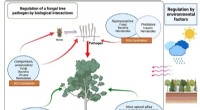
Genetic diversity helps populations combat disease outbreaks more effectively. If a pathogen infects a genetically uniform population, it is likely to spread rapidly and cause significant harm. However, in a diverse population, some individuals may possess genetic variations that confer resistance or immunity to the disease, allowing them to survive and potentially pass on these resistant genes to future generations.
4. Population Resilience:
A lack of variation can make a population vulnerable to catastrophic events, such as natural disasters or habitat destruction. Populations with low genetic diversity may lack the resilience to recover from such events, leading to a decline in their numbers or even extinction. On the other hand, a diverse population has a better chance of containing individuals with traits that enable them to adapt and bounce back after a disturbance.
5. Speciation and Evolutionary Potential:
Variation is the raw material for evolution. Over time, accumulation of genetic variations can lead to the divergence of populations into new species. This process, known as speciation, allows organisms to occupy new habitats or exploit new ecological niches. Variation is the foundation for the tree of life's diversification and the emergence of new species.
In summary, variation within a population provides the necessary genetic resources for adaptation, disease resistance, population resilience, speciation, and long-term evolutionary success. It is the key to a species' ability to survive and thrive in a changing world.