1. Chemical Composition:
- DNA: DNA is a double-stranded molecule composed of two polynucleotide chains. Each chain is made up of a sequence of nucleotides, which consist of a nitrogenous base, a deoxyribose sugar molecule, and a phosphate group. DNA contains four types of nitrogenous bases: adenine (A), cytosine (C), guanine (G), and thymine (T).
- RNA: RNA is a single-stranded molecule with a backbone of alternating phosphate and ribose sugar molecules. RNA also contains four nitrogenous bases: adenine (A), cytosine (C), guanine (G), and uracil (U). Unlike DNA, RNA contains uracil instead of thymine.
2. Structure:
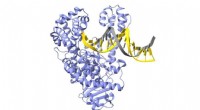
- DNA: The double-stranded DNA molecule forms a twisted ladder-like structure known as a double helix. The two strands are held together by hydrogen bonds between complementary nitrogenous bases: adenine pairs with thymine, and cytosine pairs with guanine. This specific pairing is commonly referred to as base pairing.
- RNA: RNA molecules are single-stranded and do not have the double helix structure of DNA. Depending on the type of RNA, they may fold into various secondary and tertiary structures, such as loops, stems, and hairpins, to perform their specific functions.
3. Location:
- DNA: In eukaryotic cells, DNA is primarily found in the nucleus, where it is organized into structures called chromosomes. Prokaryotic cells, such as bacteria, lack a true nucleus, and their DNA is located in a single, circular chromosome within the cytoplasm.
- RNA: RNA molecules are mainly found in the cytoplasm of cells, where they participate in various processes such as protein synthesis, regulation of gene expression, and signaling.
4. Function:
- DNA: DNA serves as the genetic blueprint of an organism. It contains the instructions for the development, functioning, and reproduction of the organism. DNA stores the genetic information necessary for the synthesis of proteins, which are the building blocks of cells and tissues.
- RNA: RNA plays a crucial role in translating the genetic information stored in DNA into proteins. There are different types of RNA molecules involved in this process, including messenger RNA (mRNA), transfer RNA (tRNA), and ribosomal RNA (rRNA). RNA molecules carry the genetic code from DNA to the ribosomes, where proteins are assembled.
5. Stability:
- DNA: DNA is generally more chemically stable than RNA. The double-stranded structure of DNA provides additional stability and protection for the genetic information. DNA can resist degradation by enzymes and environmental factors better than RNA.
- RNA: RNA is less stable compared to DNA. The single-stranded nature and the presence of the hydroxyl group in the ribose sugar molecule make RNA more susceptible to enzymatic cleavage and degradation.
These fundamental differences between DNA and RNA highlight their distinct roles in the biological processes of cells, ensuring the proper storage and expression of genetic information.