1. Structure:
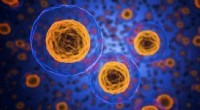
Epidermal cells are typically flattened, closely packed, and arranged in a single layer. They are often rectangular or polygonal in shape and have a thin cell wall made of cellulose and pectin. The cell wall may also be coated with a waxy substance called cutin, which helps reduce water loss and provides protection against mechanical damage and pathogens.
2. Functions:
Protection: Epidermal cells form the first line of defense against environmental stresses such as extreme temperatures, UV radiation, excessive water loss, and pathogen attacks. The waxy cuticle layer further enhances this protective function.
Regulation of Gas Exchange: Epidermal cells contain specialized structures called stomata, which are small pores that allow the exchange of gases between the plant and the atmosphere. Stomata open and close to regulate the movement of carbon dioxide, oxygen, and water vapor.
Secretory Function: Some epidermal cells can secrete various substances such as essential oils, resins, pigments, and waxes. These secretions can protect the plant from herbivores, attract pollinators, or reduce water loss.
Sensory Function: Epidermal cells may contain specialized structures called trichomes, which are hair-like projections. Trichomes can serve as sensory receptors, responding to environmental stimuli such as touch, light, and humidity. They can also help in defense against herbivores and pathogens.
Absorption: In certain cases, epidermal cells can also be involved in the absorption of water and nutrients. This is especially important for plants that have specialized structures like hydathodes or trichomes that facilitate the uptake of water and minerals.
Overall, epidermal cells play crucial roles in protecting the plant body, regulating gas exchange, secreting essential substances, responding to environmental stimuli, and facilitating absorption. They are vital components of the plant's outermost tissue layer and contribute significantly to its survival, growth, and adaptation to various environmental conditions.