Pollination occurs when pollen is transferred from the male anther of a flower to the female stigma. This process is essential for fertilization to occur, as the pollen contains the sperm cells that will fertilize the eggs in the ovules of the flower.
Pollination can occur through a variety of means, including:
* Wind pollination: This is the most common form of pollination, and occurs when pollen is carried by the wind from one flower to another.
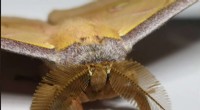
* Insect pollination: This occurs when insects, such as bees, butterflies, and moths, transfer pollen from one flower to another as they feed on nectar.
* Bird pollination: This occurs when birds, such as hummingbirds, transfer pollen from one flower to another as they feed on nectar.
* Mammal pollination: This occurs when mammals, such as bats, transfer pollen from one flower to another as they feed on nectar or fruit.
Fertilization
Fertilization occurs when a sperm cell from the pollen fertilizes an egg cell in the ovary of the flower. This process results in the formation of a zygote, which will eventually develop into a seed.
Fertilization can only occur if pollination has occurred, as the pollen must be transferred to the stigma of the flower in order for the sperm cells to reach the egg cells.
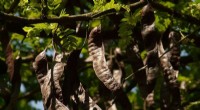
Once fertilization has occurred, the flower will begin to produce fruit. The fruit will contain the seeds, which can be dispersed by a variety of means, including:
* Wind dispersal: This is the most common form of seed dispersal, and occurs when seeds are carried by the wind from one location to another.
* Animal dispersal: This occurs when animals, such as birds, mammals, and reptiles, eat the fruit of a plant and then disperse the seeds through their feces.
* Water dispersal: This occurs when seeds are carried by water from one location to another.