1) Deep Roots: Ghaf trees possess an extensive root system with roots extending several feet into the ground, allowing it access to water stored deep below the surface.
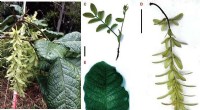
2) Heat Resistance: The leaves of ghaf trees are covered with tiny hairs, which reflect the sun's radiation and help keep the leaves cool during the extreme desert heat.
3) Water Storage: The branches, leaves, and trunk of the ghaf tree are specially designed to store water, enabling the tree to survive for extended periods without rainfall.
4) Efficient Water Use: The ghaf tree's leaves have a thick cuticle which helps reduce water loss through transpiration.
5) Drought Tolerance: Ghaf trees are highly drought-tolerant and can survive for months with little to no rainfall.
6) Leaf Folding: During extreme heat, the leaves of the ghaf tree can fold inward, further reducing water loss through evaporation.
7) Nitrogen Fixation: Ghaf trees have a symbiotic relationship with certain bacteria which enables them to fix atmospheric nitrogen and convert it into a form usable by the plant.
8) Bark: The thick, rugged bark of the ghaf tree protects it from the harsh desert wind and scorching sun, reducing water loss and preventing sun damage to the inner tissues.
9) Canopy Spread: The broad, spreading canopy of ghaf trees creates shade and a cool microclimate underneath, providing shelter and protection from the extreme desert heat.
These adaptations make the ghaf tree a true survivor in the harsh desert environment. Its resilience, ability to store water, and tolerance to extreme heat make it well-suited for life in the challenging deserts of the Middle East.