1. Archaea (Archaebacteria): Archaea are considered one of the earliest forms of life on Earth and are often referred to as ancient bacteria. They differ significantly from true bacteria in terms of cellular structure, genome organization, and metabolism. Archaea have a distinct cell membrane structure, unique genes, and diverse metabolic pathways, including the ability to thrive in extreme environments like hot springs or deep-sea hydrothermal vents.
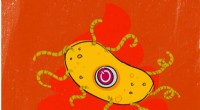
2. True Bacteria (Eubacteria): The term "true bacteria" often refers to the domain Bacteria, which encompasses a vast diversity of bacterial species. Bacteria are prokaryotic organisms characterized by a cell membrane, cytoplasm, and DNA but lacking a nucleus or membrane-bound organelles. Bacterial species include common pathogens like Escherichia coli, as well as beneficial bacteria involved in nutrient cycling, nitrogen fixation, and the production of antibiotics.
3. Ancient and Modern Bacterial Lineages: Within the domain Bacteria, there are lineages that diverged and evolved into distinct groups over evolutionary history. Some bacteria may be referred to as "ancient" because they belong to deep-branching lineages that may have originated early in the evolutionary timeline. However, this terminology is relative and depends on the specific research context and evolutionary relationships being studied.
In summary, "ancient bacteria" generally refers to Archaea as separate from Bacteria, while "true bacteria" includes diverse bacterial species within the domain Bacteria. These terms should be interpreted with caution as bacteria classification relies on specific taxonomic criteria rather than these simplified labels.