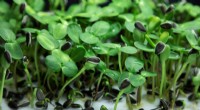
1. Chloroplasts: Chloroplasts are organelles found in plant cells, particularly in the leaf mesophyll tissue. They contain chlorophyll, a green pigment that captures light energy from the sun.
2. Sunlight: Sunlight is the primary energy source for photosynthesis. The chlorophyll molecules in chloroplasts absorb specific wavelengths of sunlight, primarily blue and red light, while reflecting green light. This is why leaves appear green to our eyes.
3. Carbon Dioxide: Carbon dioxide (CO2) is a gas present in the atmosphere. Plants take in CO2 through tiny openings on the leaf surface called stomata.
4. Water: Water is absorbed by the roots of the plant and transported to the leaves through the stem. It is used as a reactant in photosynthesis, providing hydrogen atoms for the reduction of CO2.
5. Oxygen: Oxygen (O2) is a byproduct of photosynthesis. It is released into the atmosphere through the stomata.
6. Enzymes: Enzymes are protein molecules that act as catalysts for chemical reactions in living organisms. Specific enzymes are involved in the various steps of photosynthesis, facilitating the conversion of light energy into chemical energy.
7. Minerals: Minerals such as nitrogen, phosphorus, potassium, and magnesium are essential for photosynthesis and overall plant growth. These minerals are absorbed by the roots from the soil and transported to the leaves.
When all these components are available and environmental conditions are favorable, such as suitable temperature and humidity, the process of photosynthesis takes place within the chloroplasts. Sunlight energy is captured, and carbon dioxide and water are converted into glucose (sugar) and oxygen. The glucose is then used by the plant as a source of energy, while the oxygen is released into the atmosphere.