Extreme Temperatures:
- Prokaryotes can be found in places with exceptionally high temperatures, such as hot springs and hydrothermal vents. Thermophilic bacteria, like Thermus aquaticus, thrive in temperatures exceeding 100 degrees Celsius.
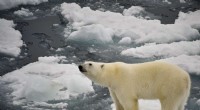
- On the other side, psychrophilic bacteria, such as those found in polar regions, can live in freezing temperatures close to 0 degrees Celsius.
High Pressure:
- Prokaryotes can be found in deep-sea environments, where they adapt to the immense pressure exerted by the water column. Barophiles, like Shewanella violacea, thrive under immense pressure, demonstrating their ability to withstand extreme conditions.
Desiccation:
- Prokaryotes have evolved mechanisms to survive in arid and desert environments. Endospore-forming bacteria, such as Bacillus subtilis, can form protective spores that enable them to endure periods of severe dehydration.
High Salinity:
- Prokaryotes can tolerate high salt concentrations in environments like salt lakes or hypersaline seas. Halophilic bacteria, like Halobacterium salinarum, have adapted to and even thrive in these conditions.
Radioactivity:
- Prokaryotes have been found in highly radioactive environments, such as nuclear waste disposal sites. Deinococcus radiodurans, known as the "world's toughest bacterium," shows exceptional resistance to radiation.
Acidic Conditions:
- Prokaryotes can survive in acidic environments, like volcanic hot springs or acidic mine drainage. Acidophilic bacteria, such as Acidithiobacillus ferrooxidans, thrive in highly acidic conditions.
By inhabiting such diverse habitats, prokaryotic cells demonstrate their remarkable adaptations and contributions to the planet's ecological balance. Their adaptability and resilience make them crucial in maintaining the equilibrium of various ecosystems across different environmental niches.