1. DNA Storage and Maintenance:
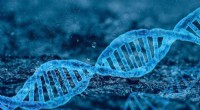
The nucleus is the primary site where the cell's genetic material, deoxyribonucleic acid (DNA), is stored. DNA contains the instructions and coding necessary for all cellular processes, development, and inheritance. The nucleus ensures the integrity and replication of DNA during cell division.
2. Transcription and mRNA Processing:
Inside the nucleus, specific DNA segments are transcribed into messenger RNA (mRNA) molecules during a process called transcription. These mRNA molecules carry the genetic instructions from the nucleus to the cytoplasm, where protein synthesis occurs.
3. Regulation of Gene Expression:
The nucleus controls gene expression by regulating when and which genes are transcribed. Gene expression is tightly regulated to produce the proteins required for cellular functions at the right time and in the right amounts.
4. Ribosome Production:
Within the nucleolus, a specialized region in the nucleus, ribosomes are assembled. Ribosomes are essential cellular structures responsible for protein synthesis.
5. Coordination of Cellular Processes:
The nucleus acts as the coordinating center for many cellular processes. It sends signals and produces specific molecules that guide cellular metabolism, growth, reproduction, and response to environmental cues.
6. Communication with Cytoplasm:
The nucleus communicates with the rest of the cell through various mechanisms. It exports mRNA and ribosomes to the cytoplasm and imports nutrients and other molecules from the cytoplasm for its own functions.
In summary, the nucleus' role in DNA storage, regulation of gene expression, ribosome production, coordination of cellular processes, and communication with the cytoplasm, positions it as the "control center" of the cell. Proper function of the nucleus is critical for cell survival, growth, and overall cellular processes.