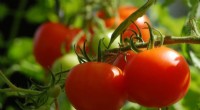
1. Transpiration: This is the primary mechanism by which plants release water vapor into the atmosphere. It involves the evaporation of water from plant tissues, mainly the leaves. The process occurs as water is taken up by the roots from the soil, transported upwards through the stem and leaves, and then released into the air through tiny pores called stomata. Transpiration is driven by several factors, including sunlight, temperature, humidity, windspeed, and plant characteristics.
2. Respiration: Both plants and animals release water vapor as a byproduct of cellular respiration. During cellular respiration, organic compounds (e.g., glucose) are broken down to produce energy (ATP), carbon dioxide (CO2), and water (H2O). As organisms breathe, they exhale this water vapor into the atmosphere.
3. Guttation: This refers to the process by which plants release water vapor through special pores called hydathodes. Guttation occurs when water uptake exceeds transpiration, typically during early mornings or when humidity levels are high. Water droplets form at the tips of leaves or edges of leaflets and eventually evaporate.
4. Animal metabolism: Animals, including humans, lose water vapor through various metabolic processes. This includes the water lost during respiration as mentioned above, as well as through sweating or panting in mammals, evaporation from the skin in amphibians, and water released from respiratory structures such as gills in fish.
5. Dehydration and decomposition: When living organisms, including plants and animals, die or lose water due to desiccation, they release water vapor into the atmosphere. Dehydration can occur due to environmental factors such as heat and drought or as a result of natural aging and decomposition processes.
Collectively, these processes contribute to the release of vast amounts of water from living organisms into the atmosphere. This water vapor forms clouds, participates in the water cycle, and replenishes freshwater sources through precipitation.