Functional differences: Cells are highly specialized, and their structures and functions vary depending on their roles within the organism. For instance:
1. Neurons: Nerve cells are specialized for transmitting electrical signals and are involved in communication within the nervous system.
2. Epithelial cells: These cells form protective barriers and line the surfaces of cavities, organs, and passages in the body.
3. Muscle cells: Specialized in contraction, muscle cells are crucial for movement and locomotion.
Size differences: Cells can significantly differ in size. Some examples include:
1. Red blood cells (erythrocytes): These cells are relatively small and lack a nucleus, allowing efficient oxygen transport in the bloodstream.
2. Muscle fibers: Muscle cells, involved in movement, can be very large and elongated, containing multiple nuclei.
3. Nerve cells (neurons): Neurons can have long extensions, called axons, which can extend several feet long in large organisms, enabling long-distance communication.
Structural differences: Cells exhibit diverse structures based on their functions:
1. Plant cells: In addition to membrane-bound organelles, plant cells have chloroplasts for photosynthesis, a large vacuole for storage, and a rigid cell wall.
2. Sperm cells: These specialized cells have a streamlined structure, including a head containing condensed DNA and a tail for propulsion during fertilization.
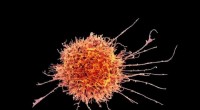
3. White blood cells: Various types of white blood cells have distinct structural adaptations for immune responses, including phagocytosis, antigen presentation, and antibody production.
Genetic differences: While all cells within an organism contain the same genetic material (DNA), certain genes may be expressed or repressed differently in different cells, leading to functional variations.
1. Stem cells: Pluripotent stem cells have the potential to differentiate into various cell types due to their broad gene expression capabilities.
2. Differentiated cells: As cells differentiate and specialize, they turn on specific genes while suppressing others, resulting in their characteristic structures and functions.