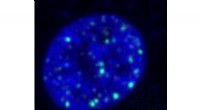
- Syngamy, a form of conjugation that involves two paramecia coming together and exchanging genetic material.
- During syngamy, the paramecia exchange haploid micronuclei, which contain the genetic information necessary for reproduction.
- The micronuclei fuse to form a diploid zygote nucleus, which then undergoes meiosis to produce haploid micronuclei that are distributed to the daughter cells.
- Syngamy is essential for genetic diversity in paramecia, as it allows for the exchange of genetic material between different individuals.
Bacteria
- Conjugation in bacteria, on the other hand, is a process by which bacteria exchange genetic material through direct cell-to-cell contact.
- During conjugation, one bacterium, the donor, transfers a single-stranded DNA molecule, called a plasmid, to another bacterium, the recipient.
- The plasmid contains genes that can be beneficial to the recipient bacterium, such as genes for antibiotic resistance or metabolic pathways.
- Conjugation allows bacteria to acquire new genetic traits and adapt to changing environments.