Transcription is the process of copying the genetic code from DNA to RNA. It takes place in the nucleus of the cell. During transcription, an enzyme called RNA polymerase binds to the DNA and unwinds the double helix. The RNA polymerase then reads the genetic code on the DNA template strand and synthesises a complementary RNA molecule. The newly synthesised RNA molecule, called messenger RNA (mRNA), carries the genetic information from the nucleus to the cytoplasm.
Translation is the process of converting the genetic code in mRNA into a sequence of amino acids. It takes place in the cytoplasm of the cell, specifically on the ribosomes. During translation, the mRNA binds to the ribosome and is read by another enzyme called a transfer RNA (tRNA). The tRNA molecules bring amino acids to the ribosome, where they are added to the growing polypeptide chain in the order specified by the mRNA code. The completed polypeptide chain folds into a specific three-dimensional structure, forming a functional protein.
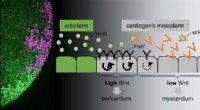
The cell's machinery for gene expression is highly regulated to ensure that the right proteins are made at the right time. Various factors can influence gene expression, including genetic factors, environmental factors, and signalling molecules. By carefully controlling gene expression, cells can adapt to their environment and perform their specialised functions.