1. Phospholipid Bilayer:
- The plasma membrane is composed of a phospholipid bilayer, which is a double layer of phospholipid molecules. Each phospholipid molecule consists of a hydrophilic (water-loving) head and two hydrophobic (water-hating) tails.
- The hydrophilic heads face outward, interacting with the water-based environment inside and outside the cell, while the hydrophobic tails face inward, away from the water.
2. Proteins:
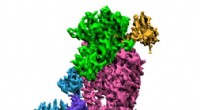
- Proteins are the second major component of the plasma membrane. They are embedded within the phospholipid bilayer, with some proteins partially embedded (integral proteins) and others loosely associated with the membrane (peripheral proteins).
- Integral proteins often span the entire membrane, with hydrophilic regions exposed to the aqueous environments on both sides and hydrophobic regions interacting with the lipid bilayer.
- Peripheral proteins are associated with the membrane surface and interact with the hydrophilic regions of integral proteins or phospholipids.
3. Cholesterol:
- Cholesterol molecules are present within the plasma membrane, mainly in animal cells. They help to maintain the stability and fluidity of the membrane.
- Cholesterol molecules are interspersed among the phospholipids and interact with their hydrophobic tails, influencing membrane fluidity and preventing the membrane from becoming too rigid or too fluid.
4. Carbohydrates:
- Carbohydrates, in the form of glycoproteins and glycolipids, are attached to the outer surface of the plasma membrane (facing the extracellular environment).
- These carbohydrate moieties form the glycocalyx, a dense network that serves various functions, including cell-cell recognition, protection, and immune system interactions.
5. Membrane Asymmetry:
- The plasma membrane exhibits asymmetry, meaning that the lipid and protein composition of the inner and outer leaflets of the membrane differ. This asymmetry is crucial for maintaining the cell's function and compartmentalization.
The plasma membrane is a dynamic structure that is constantly undergoing changes in its composition and organization. This dynamic nature allows the cell to respond to its environment, maintain homeostasis, and carry out various cellular processes.