1. Leaves:
- Orange tree leaves are dark green and leathery, helping them withstand intense sunlight and prevent water loss through transpiration.
- The leaves have a waxy coating that further reduces water loss.
- The leaves are also arranged in a spiral pattern, which maximizes sunlight exposure while minimizing shading.
2. Flowers:
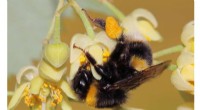
- Orange tree flowers are white and fragrant, attracting pollinators such as bees and butterflies.
- The flowers have multiple petals and stamens, increasing the chances of successful pollination.
- The flowers also produce nectar, which is a source of food for pollinators.
3. Fruit:
- Oranges are the fruit of the orange tree, and they are a rich source of vitamins, minerals, and antioxidants.
- The orange peel is thick and leathery, protecting the fruit from damage.
- The pulp of the orange is juicy and sweet, and it is divided into segments by thin membranes.
4. Roots:
- Orange tree roots are extensive and deep, allowing the tree to anchor itself securely in the ground and absorb water and nutrients from the soil.
- The roots also form symbiotic relationships with certain fungi, known as mycorrhizae, which help the tree absorb nutrients from the soil more effectively.
5. Bark:
- The bark of an orange tree is rough and scaly, providing protection from insects, diseases, and environmental damage.
- The bark also helps to regulate the temperature of the tree, preventing it from overheating in hot weather.
6. Growth habit:
- Orange trees are evergreen, meaning they retain their leaves throughout the year.
- This adaptation allows them to photosynthesize and produce food continuously, even during periods of drought or cold weather.
- Orange trees also have a compact growth habit, making them suitable for cultivation in small spaces.
These adaptations collectively enable orange trees to thrive in diverse environments and produce abundant, nutritious fruit.