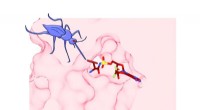
When these plant tissues are damaged or cut, the PPOs come into contact with the phenolic compounds and oxygen, leading to the formation of brown pigments called melanin. These pigments are responsible for the characteristic browning seen in many fruits and vegetables, such as apples, bananas, potatoes, and avocados.
The rate of enzymatic browning can be influenced by several factors, including the type of plant tissue, temperature, pH, and the presence of inhibitors. Some methods to slow down or prevent enzymatic browning include:
- Refrigeration: Low temperatures can slow down the rate of enzymatic browning.
- Acidification: Adding acidic ingredients like lemon juice or vinegar can lower the pH and inhibit PPO activity.
- Blanching: Brief exposure to high temperatures can inactivate PPOs.
- Use of antioxidants: Some antioxidants, such as ascorbic acid (vitamin C), can help inhibit the oxidation of phenolic compounds.
- Modified atmosphere packaging: Packaging techniques that reduce oxygen exposure can slow down enzymatic browning.
Enzymatic browning is not harmful and does not affect the safety of food. However, it can impact the appearance and quality of plant-based foods, making them less visually appealing and reducing their shelf life. Understanding the factors that influence enzymatic browning can help in preserving the quality and freshness of fruits, vegetables, and other plant-based products.