Here is a summary of the functions of stomata cells:
1. Gas Exchange: The primary function of stomata is to regulate the exchange of gases, primarily carbon dioxide (CO2) and water vapour (H2O). Stomata open to allow the entry of CO2, which is essential for photosynthesis, and release water vapour through a process called transpiration.
2. Photosynthesis: During photosynthesis, plants use the energy from sunlight to convert CO2 and water into glucose and oxygen. Stomata cells allow CO2 to diffuse into the leaf's mesophyll tissue, where photosynthesis occurs in the chloroplasts of mesophyll cells.
3. Transpiration: Transpiration is the process by which plants release water vapour through their stomata. It helps regulate the plant's temperature and maintain an optimal turgor pressure in the cells. Transpiration also helps in the transport of water and minerals from the roots to the leaves.
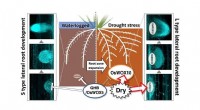
4. Regulation of Water Loss: Stomata play a crucial role in controlling water loss from the plant's leaves. When water is abundant, stomata remain open; when water is scarce, stomata close to minimize water loss through transpiration.
5. Temperature Regulation: Transpiration not only helps regulate the plant's water status but also contributes to temperature regulation. As water evaporates from the leaves, it takes away heat, cooling the plant down.
6. Responses to Environmental Stimuli: Stomata are highly responsive to various environmental stimuli, such as light, temperature, humidity, and CO2 levels. They open and close in response to these changes to optimize gas exchange and water balance.
Overall, stomata cells are essential for gas exchange, photosynthesis, transpiration, and overall plant health. Their ability to open and close in response to environmental cues allows plants to adapt and thrive in diverse and changing conditions.