Animals:
* Camouflage: Animals like chameleons can change their skin color to match their surroundings, making them hard for predators to spot.
* Sharp Claws and Teeth: Lions and tigers have sharp claws and teeth that help them hunt and defend themselves.
* Thick Fur: Animals like polar bears have thick fur that insulates them and helps them stay warm in cold environments.
* Wings: Birds and bats have wings that allow them to fly and escape danger.
* Gills: Fish have gills that help them breathe in water.
Plants:
* Thorns: Some plants, like cacti, have thorns that deter predators from eating them.
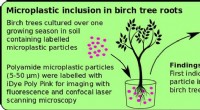
* Deep Roots: Trees have deep roots that help them absorb water and nutrients from the soil, even during droughts.
* Bright Flowers: Some plants, like sunflowers, have bright flowers that attract pollinators like bees and butterflies.
* Thick Bark: Trees like pine trees have thick bark that protects them from insects, disease, and fire.
* Cacti: Cacti have fleshy stems that store water in dry environments.
These are just a few examples of how adaptations help living things survive in their unique habitats. Every species has its own set of adaptations that help it thrive in its particular environment.