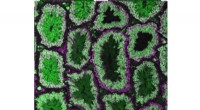
Cellular Composition: A tissue is composed of cells that share a similar structure and function. These cells are organized in a specific arrangement or pattern within the tissue. For example, muscle tissue consists of elongated muscle cells organized in bundles, while connective tissue contains various types of cells embedded in a matrix of proteins and fibers.
Function: Each tissue is specialized to perform a particular function within the body. For instance, muscle tissue is responsible for movement and contraction, epithelial tissue forms protective barriers, connective tissue provides support and connects structures, and nervous tissue facilitates communication and processing of information.
Organization: Tissues are organized into higher-level structures called organs. Organs are made up of multiple tissues working together to carry out a specific function. For example, the heart, an organ, consists of cardiac muscle tissue, connective tissue, blood vessels, and nervous tissue, each contributing to the overall function of the organ.
Types of Tissues: There are four primary types of tissues in the human body:
1. Epithelial Tissue: Epithelia cover the surfaces of organs and cavities and provide protection, secretion, and absorption.
2. Connective Tissue: Connective tissues provide support, connect structures, and transport substances throughout the body. They include various types such as bone, cartilage, tendons, and adipose (fat) tissue.
3. Muscle Tissue: Muscle tissues are responsible for movement and contraction. The three types are skeletal, smooth, and cardiac muscles.
4. Nervous Tissue: Nervous tissue consists of neurons and supporting cells and is involved in transmitting information through electrical and chemical signals.
Understanding tissue structure and function is vital in fields such as anatomy, histology, and physiology. By studying tissues, scientists gain insights into the cellular and functional organization of organs and systems within living organisms.