1. Cytoplasm: Many enzymes are found in the cytoplasm, which is the jelly-like substance that fills the cell. These enzymes are involved in various metabolic reactions, including glycolysis, protein synthesis, and lipid metabolism.
2. Nucleus: The nucleus, which contains the cell's genetic material (DNA), also houses certain enzymes involved in DNA replication, transcription, and RNA processing.
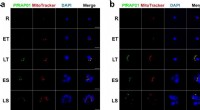
3. Mitochondria: Mitochondria are often called the "powerhouses of the cell" due to their primary role in energy production. They contain enzymes involved in cellular respiration, the process by which glucose is broken down to generate ATP (adenosine triphosphate), the energy currency of the cell.
4. Endoplasmic Reticulum (ER): The ER is a network of membranes involved in protein synthesis and lipid metabolism. Enzymes associated with protein folding, modification, and transport are located on the ER membrane.
5. Golgi Apparatus: The Golgi apparatus is a complex of membrane-bound sacs involved in the processing, sorting, and packaging of proteins and lipids. Enzymes within the Golgi apparatus are responsible for modifying and preparing these molecules for transport to their final destinations.
6. Lysosomes: Lysosomes are membrane-bound organelles that contain digestive enzymes capable of breaking down various biomolecules, including proteins, lipids, and carbohydrates. They are involved in cellular recycling and degradation processes.
7. Peroxisomes: Peroxisomes are small organelles involved in various metabolic reactions, including the breakdown of fatty acids and the detoxification of harmful substances. They contain specific enzymes that catalyze these reactions.
8. Plasma Membrane: The plasma membrane, which surrounds the cell and controls the movement of substances in and out of the cell, also has associated enzymes. These membrane-bound enzymes may be involved in transporting molecules across the membrane, cell signaling, or catalyzing reactions important for cell-cell communication.
The location of enzymes within the cell is crucial for optimizing their efficiency and ensuring that biochemical reactions occur in the appropriate cellular compartments.