Biochemistry is the study of the chemical processes that occur in living organisms. Biochemists use a variety of techniques to study these processes, including:
* Molecular biology: The study of the structure and function of DNA and RNA.
* Protein chemistry: The study of the structure and function of proteins.
* Enzymology: The study of how enzymes catalyze chemical reactions.
* Metabolism: The study of how cells convert food into energy and other molecules.
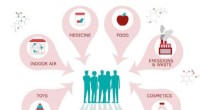
Applied biochemistry is the application of biochemical knowledge to real-world problems. Applied biochemists work in a variety of industries, including:
* Pharmaceuticals: The development of new drugs and treatments.
* Food science: The development of new and improved food products.
* Agriculture: The development of new and improved crops.
* Environmental science: The study of how biochemical processes affect the environment.
Applied biochemistry is a rapidly growing field, as there is a growing demand for biochemists with real-world experience. Some of the most recent advances in applied biochemistry include:
* The development of new drugs to treat cancer, AIDS, and other diseases.
* The development of new food products that are healthier and more nutritious.
* The development of new crops that are resistant to pests and diseases.
* The development of new technologies to clean up the environment.
Biochemistry and applied biochemistry are both important fields of study. Biochemists play a vital role in our understanding of life, and applied biochemists use this knowledge to improve the world around us.