1. Solvent for Biochemical Reactions: Water acts as a universal solvent in living organisms. It allows for the dissolution of various substances and is involved in many important biochemical reactions, including nutrient transport, waste elimination, and enzymatic activities.
2. Transport of Substances: Water is crucial for the transport of nutrients, oxygen, hormones, and other essential substances throughout the body. It helps carry these materials from one part of an organism to another, ensuring proper growth and functioning of the cells and tissues.
3. Regulation of Body Temperature: Water plays a vital role in thermoregulation. Through processes like sweating and evaporation, water helps maintain an appropriate body temperature. In hot environments, water evaporates from the body's surface, keeping it cool. Conversely, in cold climates, water helps conserve heat within the body.
4. Protection and Cushioning: Water provides cushioning and protection for vital organs and tissues. For instance, the amniotic fluid during pregnancy surrounds and cushions the developing fetus. Similarly, the fluid-filled spaces between cells and inside joints provide support and lubrication for movement.
5. Lubrication of Joints: Water helps to lubricate the joints, reducing friction and enabling smooth movement. Joint fluids contain hyaluronic acid, a water-based molecule that acts as a lubricant and shock absorber.
6. Acid-Base Balance: Water plays a crucial role in maintaining the body's acid-base balance, which is essential for optimal enzyme function and cellular processes.
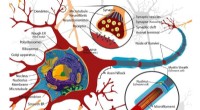
7. Cellular Structure: Water is a major component of cells. It is present in the cytoplasm and various cellular compartments, providing structural support and facilitating cellular activities.
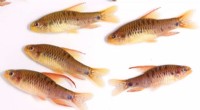
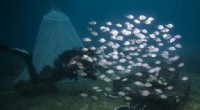
8. Habitat for Aquatic Life: Water is a fundamental requirement for aquatic organisms, such as fish, plants, and microorganisms. It is the medium in which they live, allowing for swimming, feeding, respiration, and reproduction.
9. Photosynthesis: Water is an essential component in the process of photosynthesis. Plants use sunlight to convert water, carbon dioxide, and other nutrients into glucose and oxygen.
In conclusion, water is a versatile and indispensable substance for life. Its unique properties enable numerous biological functions, without which life on Earth would not be possible.