Key Points:
1. Description and Identification: Classical taxonomy focuses on making detailed observations and descriptions of organisms' morphological features, anatomy, behavior, and other physical characteristics. These observations form the basis for identifying and distinguishing one organism from another.
2. Naming: Each species is assigned a unique scientific name following the binomial nomenclature system. The scientific name consists of the genus name (genus) and the species name (species) in Latin or Latinized form. This ensures universal recognition and avoids confusion resulting from vernacular or common names, which can vary across regions and languages.
3. Classification and Hierarchy: Classical taxonomy organizes organisms into hierarchical categories, starting with the broadest level (kingdom or domain) and progressing down to more specific levels such as phylum, class, order, family, genus, and species. Each level represents a taxonomic rank, with species being the fundamental unit or basic unit of classification.
4. Comparative Analysis: Comparative studies are a crucial component of classical taxonomy. Researchers compare the physical characteristics of different organisms to identify shared and unique features. This comparative approach helps in determining evolutionary relationships and grouping organisms into taxa based on their similarities.
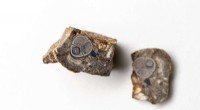
5. Type Specimens: Each species is designated a type specimen, which is a preserved individual that represents the standard for that species. It acts as a reference for future taxonomic studies and helps in maintaining consistent species identification.
6. Herbaria and Museums: Natural history collections, such as herbaria for plants and museums for various organisms, play a vital role in preserving and organizing type specimens and other important taxonomic reference material.
Despite its importance, classical taxonomy has limitations in addressing complex evolutionary relationships and variations within populations. It mainly relies on morphology, which might not always reflect genetic relatedness. As a result, modern taxonomy often incorporates molecular techniques (DNA analysis) and phylogenetic methods to enhance classification accuracy and gain insights into genetic diversity and relationships between species.