Here are the key steps in the nitrogen cycle, with a focus on the role of bacteria:
Nitrogen Fixation:
- Nitrogen gas is the most abundant form of nitrogen in the atmosphere, but it is not directly accessible to most living organisms.
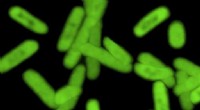
- Certain bacteria, known as nitrogen-fixing bacteria, have the ability to convert nitrogen gas into ammonia (NH3). This process is crucial because it is the entry point of nitrogen into the nitrogen cycle.
- Nitrogen-fixing bacteria can be free-living, like Azotobacter and Clostridium, or they can establish symbiotic relationships with plants, forming root nodules in legumes (e.g., soybeans, beans, and peas).
Nitrification:
- Ammonia, produced through nitrogen fixation, is converted into nitrite (NO2-) and nitrate (NO3-) by nitrifying bacteria.
- Nitrosomonas bacteria are responsible for the initial conversion of ammonia into nitrite, while Nitrobacter bacteria convert nitrite into nitrate.
Assimilation:
- Plants absorb nitrate and use it to synthesize proteins, nucleic acids, and other nitrogen-containing compounds.
- Animals obtain nitrogen by consuming plants or other animals, incorporating the nitrogen from their diet into their own tissues.
Denitrification:
- Under oxygen-limited conditions, denitrifying bacteria convert nitrates back into nitrogen gas, releasing it into the atmosphere.
- This process is important as it balances the nitrogen cycle and completes the nitrogen conversion loop.
Ammonification:
- When plants and animals die, their nitrogenous compounds are broken down by decomposing bacteria in a process called ammonification.
- This process releases ammonia back into the soil, where it can be further converted through the other stages of the nitrogen cycle.
The role of bacteria in the nitrogen cycle is essential for maintaining the balance of nitrogen in the environment. Without bacterial action, nitrogen would remain inaccessible to most organisms, limiting plant growth, agricultural productivity, and overall ecosystem health.