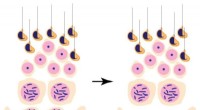
When testing the efficacy of a new drug or treatment, a placebo is often administered to a control group of participants who do not receive the actual treatment. This control group serves as a reference point to assess whether the treatment group experiences any significant differences in outcomes compared to those who received the placebo.
Placebos are particularly valuable in evaluating treatments where subjective factors, such as pain perception or mood, play a significant role. By comparing the effects of the active treatment to those of the placebo, researchers can determine whether the treatment is producing a genuine effect or if the observed improvements are primarily due to psychological or other non-specific factors.
The use of placebos allows scientists to conduct more rigorous and unbiased experiments and helps ensure that any conclusions drawn about the effectiveness of a treatment are based on objective data rather than subjective perceptions or biases.