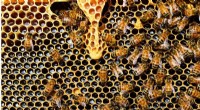
Observation is the first and most important part of the scientific process. It involves making detailed and accurate observations about the natural world, using all of our senses. This may include observing physical properties, behaviors, interactions, or changes over time.
Questioning
Once we have made observations, we can begin to ask questions about what we have observed. This is the second important part of the scientific process. These questions should be focused, clear, and testable. They should also be open-ended, so that they allow for exploration and investigation.
Hypothesis
The next step is to develop a hypothesis. A hypothesis is a possible explanation or prediction for the question that we have posed. It should be based on our observations and prior knowledge, and it should be testable.
Experimentation
Experimentation is the fourth important part of the scientific process. It involves designing and conducting experiments to test our hypothesis. Experiments should be carefully controlled, so that we can isolate the variables that we are interested in studying. We should also repeat our experiments multiple times to ensure that our results are reliable.
Data Analysis
Once we have conducted our experiments, we need to analyze the data that we have collected. This may involve using statistical methods or other analytical techniques to identify patterns and trends in the data.
Conclusion
The final step in the scientific process is to draw a conclusion. This involves evaluating our hypothesis in light of the data that we have collected. We should also consider any limitations or weaknesses in our study, and suggest further research that could be done.