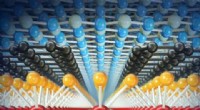
There are a number of proteins embedded in the cell membrane that help to transport materials into and out of the cell. These proteins include:
* Channel proteins: These proteins form channels that allow specific substances to pass through the cell membrane.
* Carrier proteins: These proteins bind to specific substances and transport them across the cell membrane.
* Active transport proteins: These proteins use energy to transport substances against their concentration gradient, from an area of low concentration to an area of high concentration.
The cell membrane also allows for the passive transport of materials into and out of the cell. Passive transport is the movement of substances across the cell membrane without the use of energy. The following are examples of passive transport:
* Diffusion: This is the movement of substances from an area of high concentration to an area of low concentration.
* Osmosis: This is the movement of water from an area of low solute concentration to an area of high solute concentration.
The cell membrane is essential for maintaining the homeostasis of the cell. Homeostasis is the stable internal environment of the cell. The cell membrane helps to maintain homeostasis by controlling the transport of materials into and out of the cell.