1. Long Bones: The long, cylindrical shape of long bones, such as the femur and humerus, provides structural support and allows for efficient transfer of forces during movement. The hollow shaft reduces the bone's weight while maintaining its strength.
2. Heart Valves: The shape and flexibility of heart valves ensure proper blood flow and prevent backflow. The mitral and tricuspid valves have a cuspid structure that prevents regurgitation of blood into the atria during ventricular systole.
3. Lungs: The intricate branching structure of the lungs maximizes the surface area for gas exchange. The tiny alveoli, with their thin walls and dense network of capillaries, facilitate efficient diffusion of oxygen and carbon dioxide.
4. Joints: The shape of joint surfaces, such as the ball-and-socket joint of the hip or the hinge joint of the knee, determines the range and type of movement allowed at that joint.
5. Enzymes: The shape of an enzyme's active site is crucial for its catalytic activity. The specific shape allows the enzyme to bind to and interact with its substrate effectively, facilitating the chemical reaction.
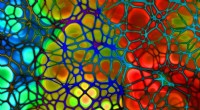
6. Cells: The shape of cells influences their function and behavior. For example, red blood cells have a biconcave shape that maximizes their surface area for oxygen absorption and flexibility to squeeze through narrow capillaries.
7. Aerodynamic Structures: The streamlined shapes of animals like birds and fish reduce air or water resistance, allowing for efficient movement through their respective environments.
8. Teeth: The shape of teeth varies depending on their function. Incisors are flat for cutting, canines are sharp for tearing, and molars have a broad surface for grinding.
9. Neural Structures: The shape and organization of neural structures, such as the brain and spinal cord, determine the complexity of neural circuits and the processing of information.
10. Camouflage and Mimicry: The shape and coloration of organisms can serve as camouflage to avoid predators or as mimicry to attract prey or deceive potential threats.
Overall, the shape of biological structures is a crucial determinant of their function and performance, reflecting the remarkable interplay between form and function in living organisms.