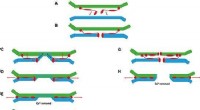
A recent study has shown that retroviral gene fragments can affect embryonic cells in a way that resembles the effects of a hijacking trip. The study, conducted by researchers at the University of California, San Francisco, found that retroviral gene fragments can insert themselves into the host cell's genome and activate nearby genes. This can lead to changes in the cell's behaviour, including altered gene expression and cell growth.
Importantly, this hijacking trip is not a random event that affects any gene in the host cell. Instead, the retroviral gene fragments are preferentially inserted near genes that are involved in regulating embryonic development in mouse embryonic cells. This means that these gene fragments have the potential to disrupt the normal course of embryonic development and cause birth defects.
This is not the first time that a retrovirus has been shown to affect embryonic development. In fact, a number of studies have shown that retroviruses can cause birth defects in animals and humans. However, this is the first time that the mechanism by which these viruses cause these defects has been identified.
The study sheds new light on the potential dangers of retroviruses and suggests that these viruses could pose a greater risk to pregnant women and their unborn children than previously thought. It also emphasizes the importance of safety testing for retroviral vectors used in gene therapy to avoid any unintended consequences.