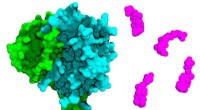
1. Nucleation: Microtubule assembly begins with the formation of a nucleation site, which acts as the starting point for microtubule growth. This process involves the binding of specific tubulin dimers, which are the building blocks of microtubules, to the nucleation site. Gamma-tubulin ring complexes (γ-TuRCs) are key nucleation factors found at the centrosome, the primary microtubule-organizing center in animal cells, and other cellular locations.
2. Elongation: Once a nucleation site is established, microtubules start to elongate through the sequential addition of tubulin dimers to the growing ends of the microtubule. The addition of tubulin dimers occurs in a polarized manner, with one end of the microtubule, known as the plus (+) end, growing more rapidly than the other end, called the minus (-) end.
3. Polymerization and Depolymerization: Microtubules undergo a dynamic process of polymerization and depolymerization, regulated by cellular factors. During polymerization, tubulin dimers are added to the growing ends of microtubules, increasing their length. Conversely, depolymerization occurs when tubulin dimers are removed from the ends of microtubules, causing them to shorten.
4. GTP and GDP Cycling: The assembly and disassembly of microtubules are closely linked to the hydrolysis of guanosine triphosphate (GTP) to guanosine diphosphate (GDP) on tubulin dimers. GTP-bound tubulin dimers have a higher affinity for each other, favoring polymerization and elongation. Upon GTP hydrolysis, the tubulin dimers become less stable and prone to depolymerization. This GTP-GDP cycle plays a crucial role in controlling microtubule dynamics.
5. Regulation by Cellular Factors: The assembly and disassembly of microtubules are tightly regulated by cellular factors known as microtubule-associated proteins (MAPs) and motor proteins. MAPs modulate microtubule stability, growth, and organization by interacting with tubulin dimers and other microtubule structures. Motor proteins, such as kinesins and dyneins, move along microtubules, transporting various cellular components and influencing their organization and dynamics.
By coordinating these processes, cells can control the size, shape, and stability of their microtubule networks, which are essential for proper cellular function and organization.