Phytoplankton Dynamics and Iron Uptake:
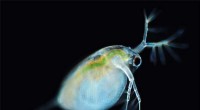
Phytoplankton are microscopic algae that form the base of the marine food web. They use sunlight, carbon dioxide, and nutrients to photosynthesize and grow. Iron is an essential micronutrient for phytoplankton growth, as it is involved in various metabolic processes.
Nutrient Limitation and Iron Enrichment:
In many parts of the ocean, iron concentrations can be limiting, particularly in large areas known as high nutrient, low chlorophyll (HNLC) regions. When iron is limited, phytoplankton growth is restricted, affecting the entire marine food web. Iron enrichment experiments have shown that adding iron to HNLC regions can stimulate phytoplankton blooms and increase fish populations.
Climate Change Impact:
Climate change can alter ocean circulation patterns, affecting the delivery of iron-rich waters to the surface layers where phytoplankton thrive. Additionally, ocean acidification can reduce iron's solubility, further exacerbating iron limitation.
Food Web Interactions and Fish Populations:
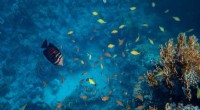
Phytoplankton blooms and the availability of food for zooplankton and other grazers directly impact the abundance and health of fish populations. Some fish species, particularly those at higher trophic levels, depend on a specific food chain based on phytoplankton. Changes in phytoplankton composition or abundance can cascade through the food web, influencing the availability of prey for fish.
Species Distribution and Migration:
Shifts in phytoplankton distribution due to changing environmental conditions can drive fish species to migrate in search of suitable food sources. This can lead to changes in the composition of fish communities in certain regions.
Implications for Sustainable Fisheries:
Understanding the relationship between phytoplankton, iron uptake, and fish populations is crucial for sustainable fisheries management. By considering these factors, fisheries can be managed to maintain healthy fish stocks and minimize negative impacts on marine ecosystems.