Mitochondria are essential organelles found in eukaryotic cells, responsible for producing the majority of the cell's energy through oxidative phosphorylation. However, these organelles are also susceptible to various stressors, such as oxidative stress, nutrient deprivation, and toxins, which can impair their function and lead to cell dysfunction and disease.
Previous research has hinted at the existence of communication between stressed mitochondria and other cellular components, but the exact nature of these signals remained elusive. In this study, researchers employed cutting-edge techniques to dissect these signaling pathways and identify the key molecules involved.
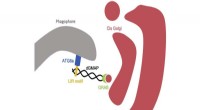
The team discovered that when mitochondria encounter stress, they release a specific protein called Smac (second mitochondria-derived activator of caspases). Smac acts as a messenger that travels from the mitochondria to the cytosol, the fluid-filled interior of the cell. Once in the cytosol, Smac binds to a protein called Omi/HtrA2, forming a complex that initiates a cascade of cellular events aimed at restoring mitochondrial function.
This Smac-Omi/HtrA2 complex triggers the activation of caspases, a family of enzymes involved in programmed cell death (apoptosis). However, in this context, caspases play a non-lethal role, promoting the repair and maintenance of mitochondria rather than inducing cell death.
The researchers demonstrated that this mitochondrial stress response pathway is crucial for cell survival and tissue homeostasis. Disrupting the Smac-Omi/HtrA2 signaling axis impaired mitochondrial function and led to cell death in various experimental models.
This discovery has significant implications for understanding the pathogenesis of human diseases associated with mitochondrial dysfunction. Conditions such as neurodegenerative disorders, cardiovascular diseases, and diabetes are characterized by impaired mitochondrial function and increased oxidative stress. By targeting the Smac-Omi/HtrA2 signaling pathway, it may be possible to develop novel therapies to enhance mitochondrial resilience and improve cellular health in these diseases.
In conclusion, the identification of the Smac-Omi/HtrA2 signaling pathway as a critical mediator of mitochondrial stress responses represents a major breakthrough in cell biology. This finding opens up exciting avenues for future research and therapeutic development, paving the way for targeted interventions to protect and maintain mitochondrial function in various human diseases.