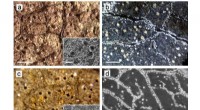
The protein in question is called mitochondrial outer membrane protein 25 (MOM25). MOM25 is involved in a number of important cellular processes, including apoptosis and mitochondrial fission. However, it is not clear how MOM25 reaches the mitochondria.
To study this, the researchers used artificial membranes that were made up of phospholipids, which are the same type of molecules that make up the cell membrane. The researchers then added MOM25 to the membranes and looked for factors that would cause the protein to insert itself into the membrane.
They found that MOM25 was able to insert itself into the membrane when it was in the presence of a specific type of lipid called cardiolipin. Cardiolipin is a lipid that is found in the mitochondrial membrane, so this suggests that cardiolipin may be involved in transporting MOM25 to the mitochondria.
The researchers are now investigating the role of cardiolipin in the transport of MOM25 to the mitochondria. They hope that this research will help to identify new ways to target mitochondrial proteins for therapeutic purposes.
This research was published in the journal Nature Communications.