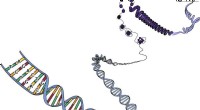
The key player in RITS is a small RNA molecule called a small interfering RNA (siRNA). siRNAs are generated from double-stranded RNA (dsRNA) precursors through the action of enzymes called Dicer and Argonaute. Once produced, siRNAs form a complex with Argonaute proteins to create the RNA-induced silencing complex (RISC).
RISC then guides the siRNA to its target site, which is usually a complementary sequence within the promoter region of a gene. By binding to this target site, RISC effectively prevents the transcription of that gene, resulting in gene silencing. In the case of chromosome silencing, RITS targets a region of the chromosome known as the centromere, which plays a vital role in chromosome segregation during cell division.
When RITS silences the centromere, it disrupts the normal function of the kinetochore, a protein complex that forms at the centromere and is responsible for attaching the chromosome to the spindle fibers during cell division. This disruption can lead to misalignment of chromosomes and subsequent aneuploidy, a condition in which cells have an abnormal number of chromosomes.
Aneuploidy can have serious consequences for an organism, including developmental abnormalities, infertility, and an increased risk of cancer. Therefore, RITS-mediated chromosome silencing serves as a crucial safeguard to prevent these detrimental outcomes.
While RITS has been extensively studied in organisms such as fission yeast and plants, its exact mechanisms and implications in mammals are still being explored. Uncovering the intricacies of RITS in mammalian systems could provide valuable insights into gene regulation, chromosome biology, and potential therapeutic interventions for a variety of genetic disorders and diseases.