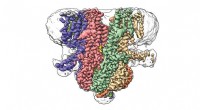
The spike protein is a crucial component of the SARS-CoV-2 virus, which causes the COVID-19 disease. It plays a key role in the virus's ability to infect human cells and replicate within them. The spike protein is located on the surface of the virus and consists of two subunits: S1 and S2.
The S1 subunit binds to a receptor on the surface of human cells called ACE2 (angiotensin-converting enzyme 2). This binding initiates the process of viral entry into the cell. The S2 subunit then undergoes a conformational change, facilitating the fusion of the viral membrane with the cell membrane, allowing the viral genetic material to enter the cell.
Why are mutations on the spike protein important?
Mutations in the spike protein can affect its ability to bind to the ACE2 receptor and the efficiency of viral entry into human cells. These mutations can potentially lead to changes in the virus's transmissibility, infectivity, and immune evasion capabilities.
Several variants of SARS-CoV-2 with significant mutations in the spike protein have emerged during the COVID-19 pandemic. Notable variants include Alpha (B.1.1.7), Beta (B.1.351), Gamma (P.1), and Delta (B.1.617.2). These variants have been associated with increased transmissibility and infectivity, leading to surges in infections in various regions.
Mutations on the spike protein can also impact the effectiveness of vaccines and treatments targeting the virus. For instance, some mutations may reduce the ability of antibodies produced by vaccination or prior infection to recognize and neutralize the virus, potentially leading to reduced vaccine efficacy against certain variants.
Therefore, monitoring and studying mutations on the spike protein are crucial for understanding the evolving behavior of the SARS-CoV-2 virus, assessing the potential impact of variants on public health, and adapting vaccine strategies and treatments accordingly.