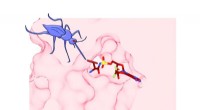
Several disordered proteins, characterized by a lack of well-defined tertiary structure, play important roles in the properties and functions of RABV. These proteins contribute to viral entry, replication, assembly, and pathogenesis. Here are some key examples:
1. Nucleocapsid Protein (N): The nucleocapsid protein of RABV is a highly flexible and dynamic protein that forms the core structure of the virus particle. It encapsulates the viral RNA genome, protecting it from degradation and interacting with other viral components. The disordered regions in the N protein allow for conformational changes that are crucial for RNA packaging, transcription, and replication.
2. Phosphoprotein (P): The phosphoprotein of RABV is a multifunctional protein involved in various aspects of the viral life cycle. It contains intrinsically disordered regions that enable interactions with other viral proteins, host factors, and cellular membranes. The flexible nature of the P protein allows it to adapt to different cellular environments and perform diverse functions, such as RNA replication, assembly, and budding.
3. Matrix Protein (M): The matrix protein of RABV is responsible for the organization and architecture of the viral particle. It forms a layer beneath the viral envelope and interacts with the nucleocapsid and envelope proteins. The disordered regions in the M protein provide plasticity, allowing it to adapt to the shape and size changes that occur during viral assembly and budding.
4. Glycoprotein (G): The glycoprotein of RABV is a critical determinant of viral entry and host cell tropism. It forms spikes on the viral envelope and mediates the attachment of the virus to specific receptors on the host cell surface. The disordered regions in the G protein contribute to its structural flexibility, receptor binding, and immune evasion.
Disordered proteins in RABV often exhibit functional versatility, allowing them to interact with multiple partners and participate in various cellular processes. Their dynamic nature provides an advantage for the virus to adapt to different host environments, evade host immune responses, and facilitate its replication and spread. Understanding the roles and mechanisms of these disordered proteins can provide valuable insights into RABV biology and pave the way for the development of novel antiviral strategies.