Viruses are the ultimate microscopic invaders continuously evolving to breach cellular barriers and cause infections. However, cells have developed sophisticated strategies to combat these infectious threats, ensuring their survival and maintaining overall health. This article delves into the intricate measures cells employ to fend off these insidious invaders, highlighting the impressive arsenal of defenses orchestrated to combat viral infections.
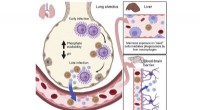
Cells possess an inherent ability to detect and respond to viral infections. Pattern Recognition Receptors (PRRs) act as sentinels, detecting specific molecular signatures of invading viruses. Upon recognition, PRRs initiate a cascade of signaling events, triggering the production of antiviral proteins, such as interferons. These proteins function as molecular messengers, alerting neighboring cells to the viral presence, inducing an antiviral state and hindering viral replication.
Interferons orchestrate a symphony of cellular responses to combat viral invasion. They induce the expression of various antiviral proteins, including protein kinase R (PKR) and 2-5 oligoadenylate synthetase (OAS). PKR phosphorylates translation initiation factor 2, inhibiting viral protein synthesis. OAS triggers the degradation of viral RNA, effectively silencing viral replication.
Eukaryotic cells employ RNA interference as a specific and potent mechanism to combat viral infections. Small interfering RNAs (siRNAs) target and cleave specific viral RNA, preventing viral replication. RNAi machinery acts as cellular scissors, slicing the viral RNA into fragments, effectively silencing the expression of viral genes.
Autophagy is a crucial cellular process for recycling damaged organelles and proteins. However, recent studies have revealed its role in combating viral infections. By engulfing and sequestering viral components and infected organelles, autophagy targets them for degradation, significantly curtailing viral propagation within cells.
Cells harbor an arsenal of specialized antiviral proteins that directly target and neutralize viruses. APOBEC proteins function as guardians, mutating the viral genome and disrupting viral replication. Tetherin proteins are viral "chain breakers" that tether budding viruses to the cell's surface, preventing their release and spread to neighboring cells.
The adaptive immune system represents a highly specialized defense mechanism against viral infections. T cells and B cells generate specific antibodies that precisely target and neutralize invading viruses. Memory cells provide long-term immunity, ensuring a rapid and robust response to future infections by the same virus.
Cells are remarkably well-equipped to wage war against viral invasion, employing a range of innate and adaptive defense mechanisms. From the rapid detection and response of the innate immune system to the targeted precision of the adaptive immune response, cells demonstrate their resilience and adaptability in combating viral threats. Understanding these cellular defenses provides valuable insights for developing novel therapeutic strategies and strengthening our collective defense against viral infections. As the battle against viruses continues to evolve, cells' unwavering preparedness and ingenious defense systems remain the cornerstone of maintaining health and staving off infections in a world constantly battling microscopic invaders.