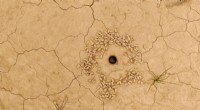
Bacteria are constantly exposed to a variety of threats, including antibiotics, heavy metals, and other chemicals. In order to survive, bacteria have evolved a number of defense mechanisms, including the production of a gooey slime.
This slime, also known as biofilm, is composed of a complex mixture of proteins, sugars, and DNA. It forms a protective barrier around the bacteria, shielding them from harmful substances. Biofilm also helps bacteria to attach to surfaces, such as medical devices or the inside of our bodies.
The production of biofilm is controlled by a variety of genes. In some cases, biofilm production is essential for the survival of the bacteria. For example, the bacterium *Pseudomonas aeruginosa* produces biofilm to protect itself from antibiotics. Without biofilm, *P. aeruginosa* would be much more susceptible to infection.
In other cases, biofilm production can be a disadvantage for the bacteria. For example, biofilm can make it more difficult for bacteria to be dislodged from surfaces, which can lead to chronic infections.
Despite the potential drawbacks, biofilm production is an important survival strategy for many bacteria. It helps them to survive in a variety of harsh environments and to resist the effects of antibiotics and other chemicals.
Here are some additional details about how biofilm helps bacteria survive:
* Biofilm protects bacteria from drying out. Bacteria need water to survive, and biofilm helps to keep them hydrated. This is especially important in environments where the humidity is low.
* Biofilm helps bacteria to attach to surfaces. This allows them to form colonies and to spread more easily.
* Biofilm can help bacteria to resist antibiotics. Antibiotics work by killing or inhibiting the growth of bacteria. Biofilm can make it more difficult for antibiotics to reach the bacteria, and it can also help to detoxify antibiotics.
* Biofilm can help bacteria to resist the immune system. The immune system is our body's natural defense against infection. Biofilm can make it more difficult for the immune system to recognize and attack bacteria.
Biofilm is a complex and important survival strategy for bacteria. It helps them to survive in a variety of harsh environments and to resist the effects of antibiotics and other chemicals.