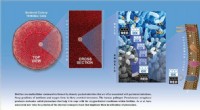
In addition to albumin, the amount of carbon dioxide in a beverage also affects the formation of a head. Beer typically contains more carbon dioxide than soda, which helps to create a thicker, more stable head. The temperature of the beverage also plays a role, as warmer beverages tend to produce more bubbles.
The head of a beer can be an important part of the drinking experience. It can help to enhance the flavor and aroma of the beer, and it can also provide a visual cue as to the freshness of the beer. A good head will typically last for several minutes, while a thin or weak head may indicate that the beer is old or has been stored improperly.