1. Liquid water: Liquid water is essential for life as we know it. Most biological processes, such as cellular metabolism and transport, occur in water-based environments. Water also provides a medium for the transport of nutrients, ions, and other molecules necessary for life.
2. Stable temperature range: Life requires a stable temperature range that allows for the proper functioning of biological molecules and cellular processes. Different organisms have different temperature ranges within which they can survive, but generally, life on Earth exists within a temperature range of about -20 to 120 degrees Celsius.
3. Energy sources: Living organisms require a source of energy to power their metabolic processes. This energy is derived from various sources, such as sunlight (for photosynthetic organisms) or chemical energy (for chemosynthetic organisms).
4. Nutrients: All living organisms require nutrients, which are essential elements or molecules they cannot synthesize on their own. These nutrients include carbon, hydrogen, oxygen, nitrogen, phosphorus, sulfur, and various trace elements. Nutrients are obtained from the environment through various means, such as photosynthesis or nutrient absorption.
5. Atmosphere: The atmosphere is important for life on Earth as it provides gases essential for respiration (oxygen) and protects the planet from harmful radiation (ozone layer). The composition of the atmosphere also affects climate, temperature, and humidity, all of which can influence the survival and distribution of organisms.
6. pH balance: The pH of the environment plays a crucial role in biological processes. Most organisms are adapted to live within a narrow pH range, typically close to neutral (pH 7). Deviations from this optimal range can disrupt cellular functions and lead to dysfunction or even death.
7. Pressure range: Organisms on Earth are adapted to a specific range of atmospheric or hydrostatic pressure. This pressure is important for maintaining cellular integrity, regulating physiological processes, and enabling the proper functioning of biological structures.
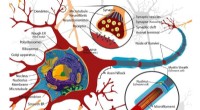
8. Presence of macromolecules: Life requires the presence of complex macromolecules, such as proteins, carbohydrates, lipids, and nucleic acids. These molecules serve as the building blocks of cells and are responsible for various cellular functions, including catalysis, transport, energy storage, and information storage.
These are some of the key conditions necessary for life as we know it on Earth. The presence or absence of these conditions has implications for the habitability of other celestial bodies and has guided our search for potential extraterrestrial life.