1. Cytoskeleton: The cytoskeleton is a dynamic network of protein filaments and tubules that provides structural support and organization within cells. It consists of three main components: microtubules, microfilaments (actin filaments), and intermediate filaments.
- Microtubules: These are long, hollow tubes composed of tubulin proteins. They help maintain cell shape, provide tracks for intracellular transport, and participate in cell division.
- Microfilaments: Microfilaments are solid, actin-based filaments that form a meshwork just beneath the cell membrane. They are involved in cell shape changes, cell movement, and cytokinesis.
- Intermediate Filaments: These are more stable filaments made of various proteins. They provide mechanical strength to cells, maintain tissue integrity, and resist mechanical stress.
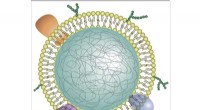
2. Cell Membrane: The cell membrane, also known as the plasma membrane, is a phospholipid bilayer that surrounds the cell and acts as a barrier between the cell and its external environment. It plays a crucial role in maintaining cell shape:
- Lipid Bilayer: The lipid bilayer is semi-fluid, allowing certain molecules to pass through while preventing others. This selective permeability helps maintain cellular compartmentalization and contributes to cell shape.
- Membrane Proteins: Embedded in the lipid bilayer are various membrane proteins, including integral proteins and peripheral proteins. These proteins interact with the cytoskeleton, ECM, and other cells to contribute to cell shape and adhesion.
3. Extracellular Matrix Interactions: Cells interact with the extracellular matrix (ECM), a complex network of molecules outside the cell membrane. This interaction is crucial for maintaining cell shape and tissue organization:
- Integrins: Integrins are transmembrane proteins that link the cytoskeleton to the ECM. They facilitate cell adhesion to the ECM and transmit mechanical signals from the ECM to the cytoskeleton, helping maintain cell shape.
- Cadherins: Cadherins are transmembrane proteins involved in cell-cell adhesion. They form cell-cell junctions that hold neighboring cells together and contribute to tissue integrity and cell shape.
4. Internal Pressure: Cells maintain a slightly higher internal pressure than their surroundings due to the presence of various solutes and ions. This internal pressure, also known as turgor pressure, helps maintain cell shape by pushing the cell membrane against the cell wall or cytoskeleton.
5. Cellular Contractility: Cells can change shape through cellular contractility, which involves the coordinated action of the cytoskeleton and motor proteins such as myosin. This contractility allows cells to move, divide, and respond to mechanical cues in their environment.
Overall, cells maintain their shape through the interplay of the cytoskeleton, cell membrane, and interactions with the extracellular matrix. These mechanisms ensure that cells can carry out their functions efficiently and respond appropriately to changes in their environment.