Enucleation:
1. Nuclear Condensation: As RBCs mature, the nucleus undergoes a process of chromatin condensation, where the DNA becomes tightly packed together. This condensation makes the nucleus compact and facilitates its removal.
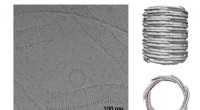
2. Formation of the Extrusion Ring: A ring-like structure called the erythroblast nuclear extrusion ring (NE ring) forms around the condensed nucleus. This structure consists of various proteins, including spectrin, actin, and myosin, that play a crucial role in the mechanical process of enucleation.
3. NE Ring Contraction: Once the NE ring is formed, it begins to contract, exerting a force that squeezes the nucleus towards the cell membrane. The contraction of the NE ring is an active process that requires energy and is regulated by specific cellular signals.
4. Budding and Nuclear Expulsion: As the NE ring constricts, the nuclear envelope (the membrane surrounding the nucleus) starts to invaginate, forming a small bud-like protrusion. This nuclear bud, containing the condensed nucleus, is eventually expelled from the cell. The extrusion of the nucleus is facilitated by the force generated by the contracting NE ring and the breakdown of nuclear envelope proteins.
5. Cytoplasmic Release: Once the nuclear bud is expelled from the cell, it is released into the extracellular environment, where it undergoes further degradation. The remaining cytoplasm of the RBC, free from the nucleus and organelles, continues to mature and eventually becomes a fully functional, mature red blood cell.
It's important to note that enucleation is a highly regulated process, and alterations or dysregulations in this process can lead to the production of abnormally shaped or non-nucleated RBCs, which may affect their function and lifespan in the bloodstream.
Overall, the enucleation process in red blood cells is a remarkable example of cellular adaptation and specialization, allowing RBCs to become highly efficient oxygen carriers without the need for a nucleus and other organelles, optimizing their structure and function for their essential role in the circulatory system.