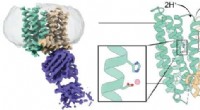
In a study published in the journal Nature Communications, researchers at Duke-NUS Medical School in Singapore used a combination of cryo-electron microscopy and biochemical techniques to visualize and understand the structural changes that occur during dengue virus maturation.
Dengue virus is a single-stranded RNA virus that causes dengue fever, a mosquito-borne illness that affects millions of people in tropical and subtropical regions around the world. Symptoms of dengue fever can range from mild fever, headaches, and muscle aches to a severe and life-threatening form of the disease called dengue hemorrhagic fever.
The team found that the dengue virus undergoes a series of structural changes during maturation, including the removal of a specific section of the viral RNA and the rearrangement of viral proteins. These changes are essential for the virus to become infectious and able to spread from one person to another.
"Our study provides a detailed understanding of the molecular mechanisms underlying dengue virus maturation, which is a critical step in the viral life cycle," said Professor David Stuart, senior author of the study. "This knowledge could pave the way for the development of new antiviral therapies that target specific stages of the virus maturation process."
Currently, there are no specific treatments for dengue fever, and efforts to develop vaccines have been challenging due to the virus's ability to undergo genetic mutations. The findings from this study could provide a new avenue for researchers to develop effective treatments and vaccines against dengue virus.
"By understanding how dengue virus matures and becomes infectious, we can potentially identify new targets for drugs or vaccines that could block this process and prevent the spread of the disease," said Dr. Jonathan Poh, co-author of the study.
Further studies are needed to validate the potential therapeutic targets identified in this study and to develop effective treatments and vaccines against dengue virus. However, the detailed insights provided by this research represent a significant step forward in the fight against dengue fever.